
Sun Protection in Daily Life: Understanding the UV Index and Using Modern Filters
Share
When Do You Really Need SPF? A Simple Everyday Guide
In spring, it’s easy to confuse sunshine with warmth: it still feels cool outside, but UV radiation is already active. This is where uncertainty begins – when do you actually need sunscreen in daily life? This guide gives you a simple, practical framework to protect your skin without overcomplicating your routine.
What is SPF and the UV Index?
SPF (sun protection factor) indicates how well your skin is protected against UVB rays, which cause sunburn. The UV index, however, reflects the overall intensity of UV radiation. In everyday life, the UV index is the most relevant indicator to decide whether sunscreen is needed.
Why is SPF important for your skin?
UV radiation affects your skin even when it doesn’t feel warm. UVA rays penetrate deeper and accelerate skin aging, while UVB rays cause sunburn. Both contribute to long-term skin damage and uneven pigmentation. Consistent protection helps maintain skin quality and an even complexion.
How does modern sunscreen work?
Sunscreens rely on UV filters that either reflect or absorb radiation. Mineral filters sit on the skin and reflect UV rays, while chemical filters absorb them and convert them into heat. Modern formulations often combine both types to achieve balanced protection with a comfortable texture.
Application amount is crucial: the two-finger rule is a simple way to ensure proper coverage for face and neck. Using too little significantly reduces the actual protection.
Who should use SPF daily?
- All skin types, regardless of skin tone
- People with pigmentation or uneven skin tone
- Sensitive or reactive skin
- Anyone focused on preventing skin aging
- People spending time near windows or driving
Key benefits
- Helps prevent premature skin aging
- Supports a more even skin tone
- Protects against pigmentation issues
- Supports the skin barrier
- Provides daily long-term protection
Common mistakes or risks
Most issues come from incorrect use rather than the product itself. Applying too little, skipping reapplication, or forgetting areas like the neck and ears reduces protection. Another misconception is that higher SPF allows longer sun exposure – it does not.
Application tips
- Check the UV index: SPF becomes relevant from around UV 2–3
- Apply in the morning to face, neck, and ears
- Reapply during longer outdoor exposure
- Let sunscreen absorb before applying makeup
- Combine with sunglasses, shade, and hats
Recommended products
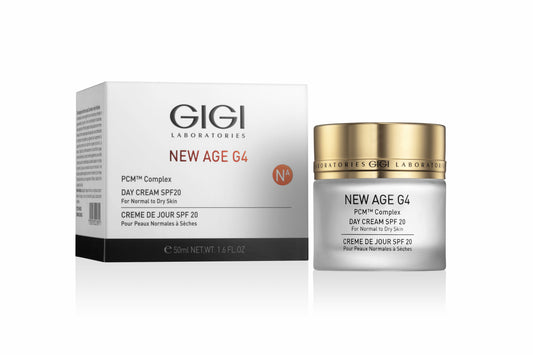
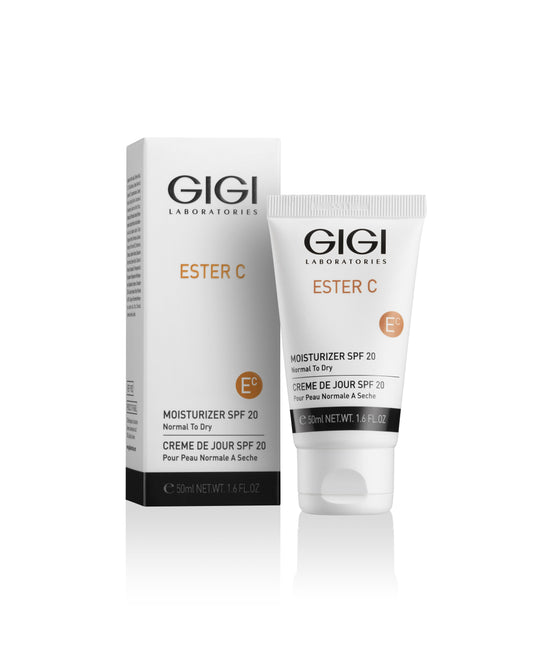
For daily use, lightweight and comfortable formulations work best. Products enriched with antioxidants can help support the skin against environmental stress. Tinted sunscreens may also be beneficial for uneven skin tone.
Conclusion
Sun protection doesn’t have to be complicated. A simple rule works: check the UV index and apply SPF when needed. This way, you protect your skin effectively every day with minimal effort and long-term benefits.